How Technology Went from Beneficial to Distracting
The Early Promise of Technology
Technology was originally embraced for its ability to simplify life. Computers improved workplace efficiency, the internet made information instantly accessible, and smartphones connected people across the globe. These innovations transformed how individuals worked, learned, and communicated, creating opportunities that were once unimaginable.
For many years, technology was viewed primarily as a tool for progress and productivity.
The Rise of Constant Connectivity
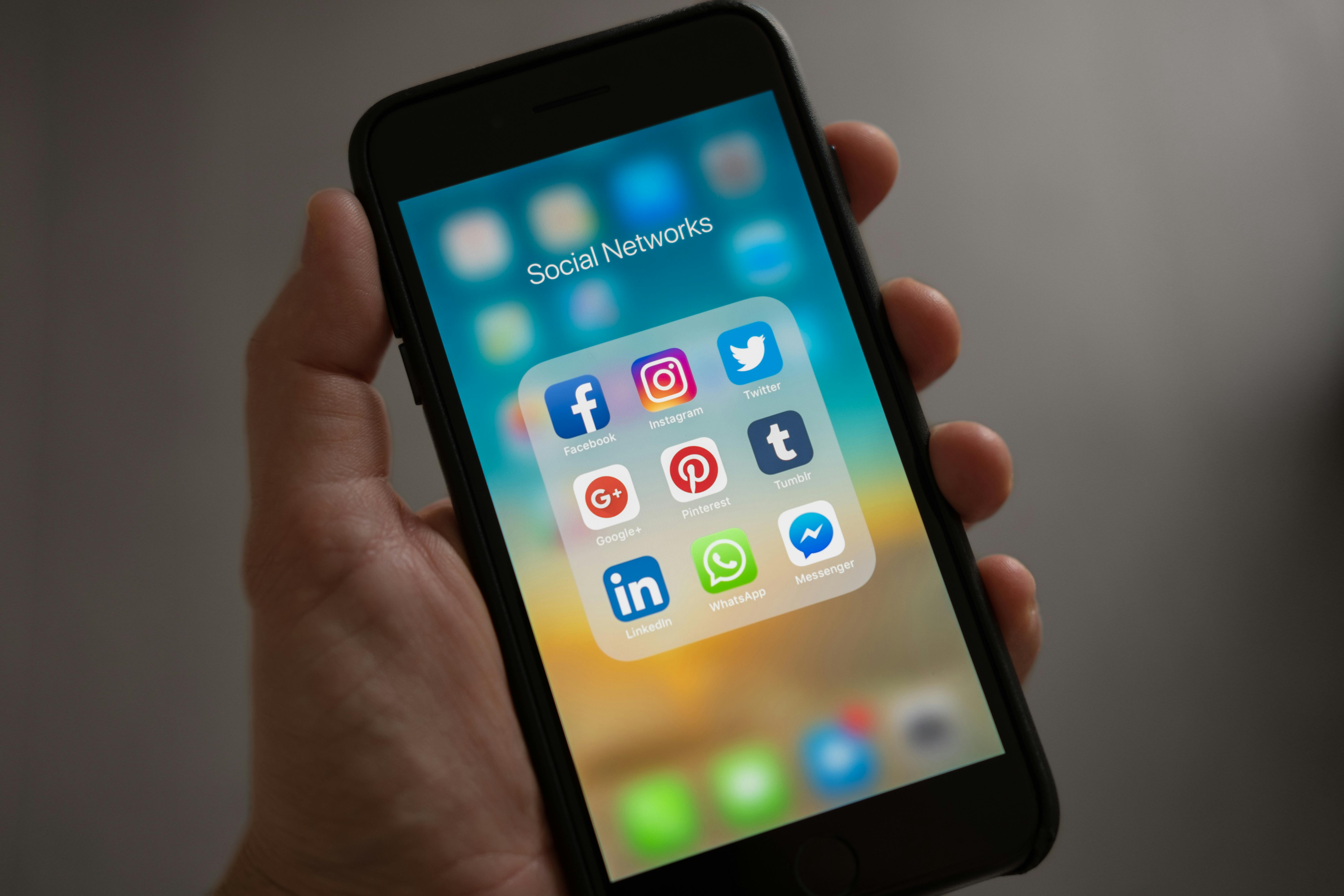
As smartphones, social media, and instant messaging became part of everyday life, people gained continuous access to information and communication. While this connectivity offers convenience, it also means that notifications, emails, and online updates compete constantly for attention.
Many people now find it difficult to disconnect, even during work, study, or personal time.
How Digital Distractions Affect Daily Life
Frequent interruptions can reduce focus and make it harder to complete tasks efficiently. Common sources of distraction include:
- Social media notifications
- Instant messaging apps
- Streaming platforms
- Online advertisements
- Continuous news updates
- Multitasking across multiple devices
Research suggests that repeatedly switching attention between tasks can reduce productivity and increase mental fatigue.
Impact on Mental Well-Being
Excessive technology use may also influence emotional health. Some commonly reported effects include:
- Difficulty concentrating
- Increased stress from constant notifications
- Sleep disruption caused by screen exposure
- Reduced face-to-face social interaction
- Feelings of information overload
Maintaining healthy digital habits can help reduce these effects while preserving the benefits of technology.
Finding a Healthy Balance
Experts recommend practical strategies for managing digital distractions:
- Turn off non-essential notifications
- Set designated screen-free periods
- Limit social media usage during work or study
- Take regular breaks from digital devices
- Prioritize in-person conversations when possible
- Use productivity tools to manage online time
Small adjustments can improve focus without giving up the advantages that technology provides.
The Future of Responsible Technology
Technology companies are increasingly introducing features such as screen-time tracking, focus modes, and digital wellness tools to help users manage their online habits. Artificial intelligence is also being used to reduce unnecessary interruptions by prioritizing important notifications and supporting more mindful technology use.
As digital innovation continues, the emphasis is shifting toward designing technology that enhances productivity and well-being rather than competing for constant attention.
Conclusion
Technology remains one of humanity's most valuable tools, enabling innovation, communication, and access to knowledge on an unprecedented scale. However, its constant presence can also create distractions that affect productivity, relationships, and mental well-being. By using technology intentionally and adopting healthy digital habits, individuals can enjoy its many benefits while minimizing unnecessary interruptions and maintaining a better balance between the digital and real worlds.